Garage Door Won't Close All the Way? Photo-Eye and Track Causes to Check First
July 18, 2026
Quick Answer: When your garage door wont close all the way, the two most common culprits are the photo-eye safety sensors near the floor and the tracks the door rides in. If the door starts down and reverses, the infrared beam between the two sensors is usually broken by misalignment, a dirty lens, sunlight, or a loose wire. If the door grinds, sticks, or stops at the same spot every time, look at the tracks for bends, debris, or a roller that has jumped its channel. Sensor problems are often safe to check yourself; anything involving springs, cables, or an off-track door is not.
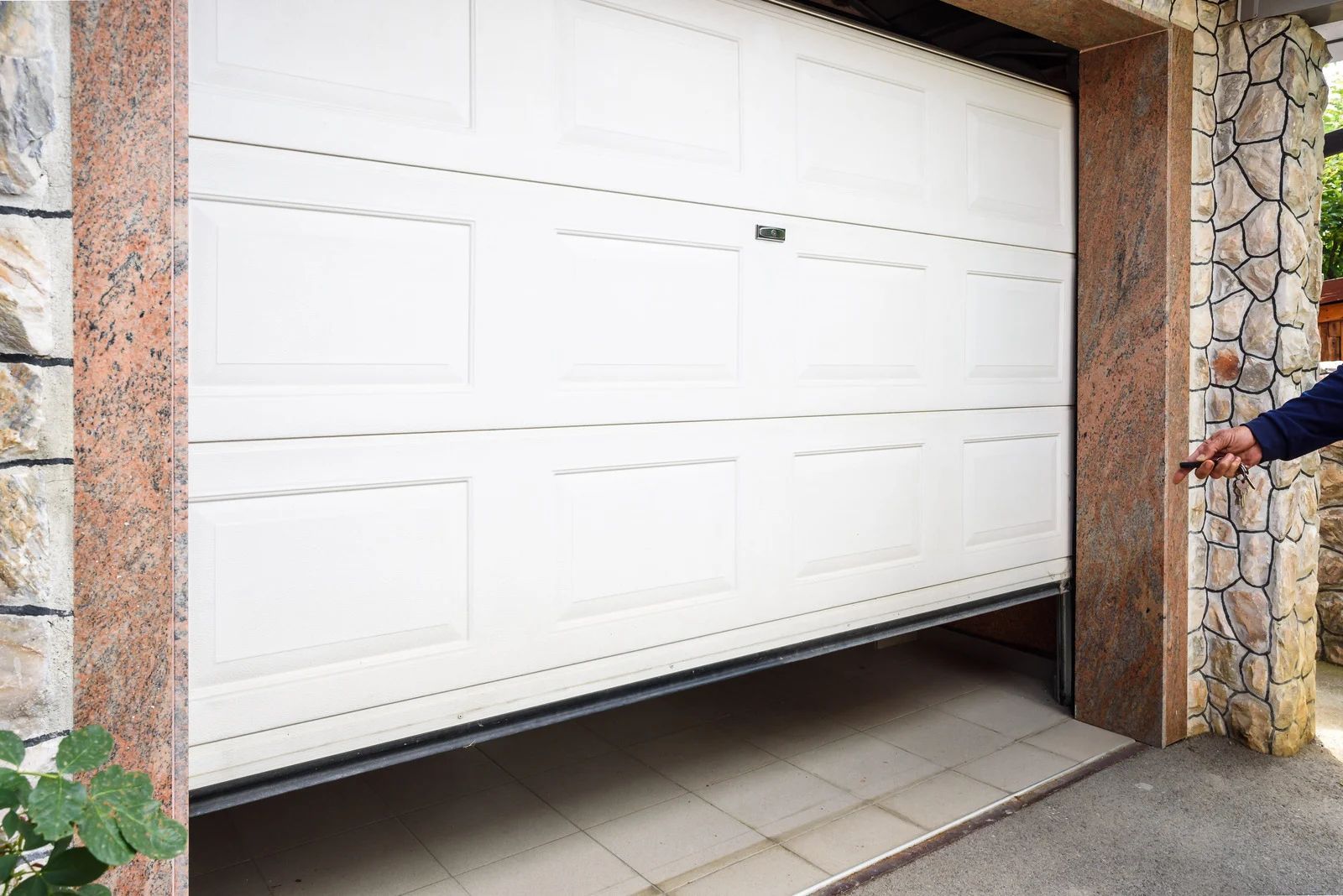
You hit the button, the door starts to lower, and then it changes its mind. It rolls halfway down and reverses back to the top, or it stops a foot off the ground and just sits there while the opener light blinks at you. Maybe it slams down fast and bounces back up. Whatever the exact behavior, the result is the same: an opening you can't secure, a garage you can't leave closed, and a cold draft pouring in.
A door that refuses to seal is annoying, but it is also your opener telling you something. Modern garage door openers are built to stop and reverse the moment they think something is wrong. That is a safety feature working exactly as designed, even when there is nothing actually blocking the path. Your job is to figure out what the opener is reacting to.
Most of the time the answer lives in one of two places: the photo-eye sensors mounted low on each side of the door, or the metal tracks that guide the door up and down. This guide walks through both, shows you what you can safely check on your own, and draws a hard line at the parts of the system that are never worth touching yourself.
Start With the Photo-Eye Sensors
What the photo-eyes actually do
Every automatic garage door built recently has two small sensors mounted low, one on each side. One sends an invisible infrared beam across the opening; the other receives it. When something breaks that beam while closing, the opener reverses. It can't tell a real obstruction from a dirty, misaligned sensor.
Where to find them and what "no higher than six inches" means
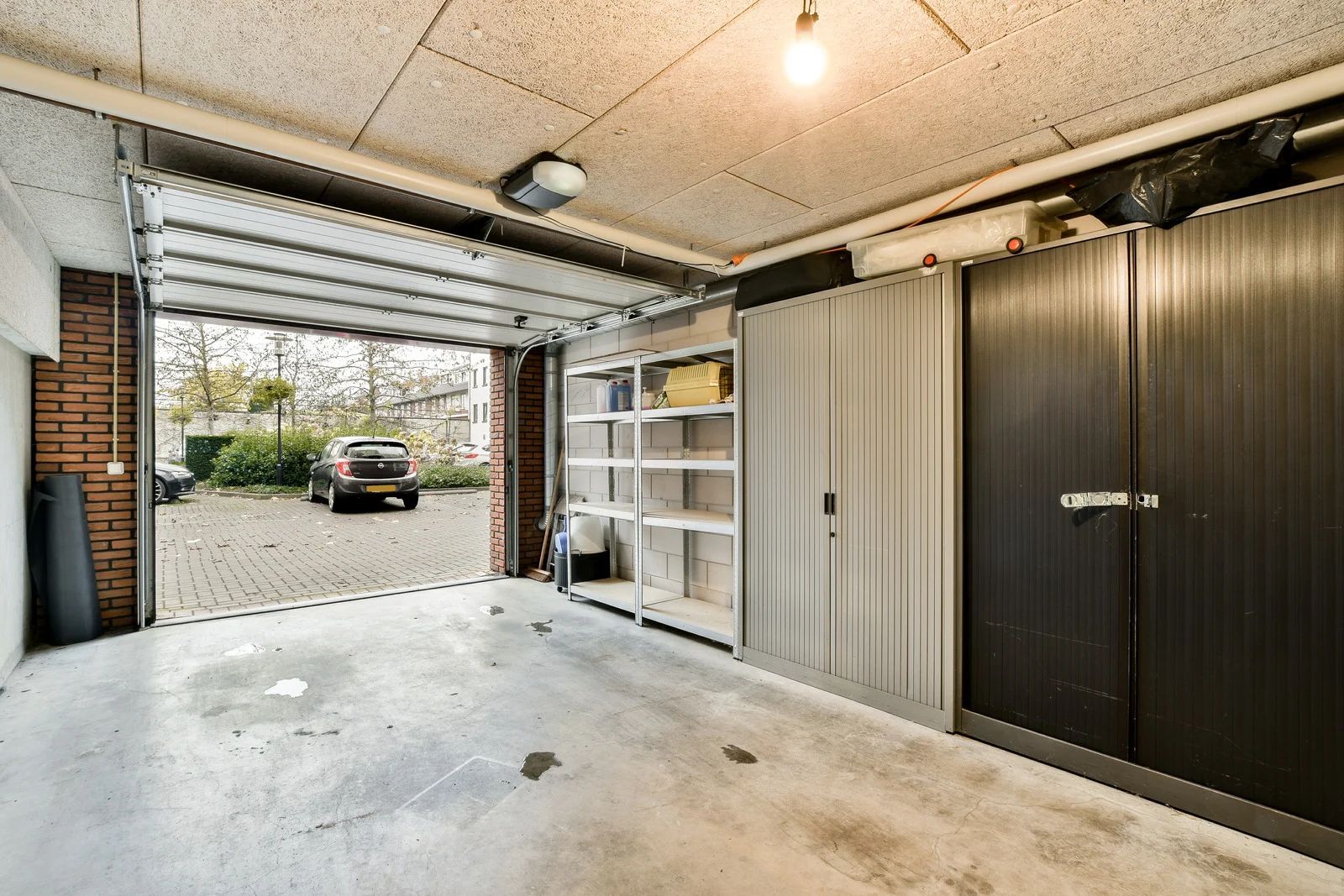
Look at the bottom of each vertical track. The sensors sit close to the floor, typically no higher than six inches up, clipped on with a small bracket and wing nut. That low mounting is deliberate, putting the beam where a child would be, but also in the dustiest spot.
Reading the little lights
Each sensor has an LED. A steady, solid light means the beam is connecting. A blinking light means the beam is broken or the two eyes aren't lined up. On many openers, when sensors are the problem, the overhead light flashes repeatedly and the door won't lower. That flashing signals diagnostics.
The Most Common Photo-Eye Causes
Misalignment
The sensors must point almost perfectly at each other. If a bike, trash can, or stray elbow bumps one, the beam misses and the door stops closing. Loosen the wing nut, pivot the sensor until its LED glows steady, then retighten. Repeat opposite.
Dirty or fogged lenses
The eye is a small lens, and dust, cobwebs, road grime, or condensation will dim the beam enough to trip the opener. A soft cloth with mild soap and water clears it. Skip harsh cleaners and abrasives, which can permanently scratch the lens.
Sunlight interference
This one fools many homeowners. When low, direct sun shines into the receiving eye, it washes out the beam, so the opener acts blocked even though sensors are clean. If the door only refuses at certain times, glare is the suspect. Shield it.
Loose, pinched, or chewed wiring
Thin wires run from each sensor back up to the opener. Staples pull loose, wires get pinched behind brackets, and rodents chew insulation. If a sensor's light is completely dark rather than blinking, a wiring or power problem is the likelier cause.
TIP: Test your safety reversal on purpose once a month. With the door open, set a sturdy object like a roll of paper towels flat on the floor directly in the beam's path, then press the button to close. A healthy system will stop and reverse before touching it. If it doesn't, stop using the opener and get the sensors looked at, because that feature is protecting the people and pets in your home.
When the Tracks Are the Problem
If the sensor lights are solid and clean but the door still won't seal, shift your attention to the tracks. Track trouble tends to look different from sensor trouble: instead of reversing all the way back to the top, the door often grinds, shudders, sticks at the same height, or stops hard at one specific spot.
Debris and obstructions in the channel
A pebble, a hardened glob of old grease, a fallen screw, or a bent bracket in the track can physically stop a roller. The door hits it, the opener senses resistance, and quits. Scan both tracks with a flashlight to catch these.
Bent or dented track
The tracks are formed metal, and a car bumper or heavy object can crimp them. Even a small bend binds the rollers at that point every time. Don't hammer bent track back yourself; a near-right section can still throw the door's balance off.
Rollers worn or out of the channel
Rollers wear out, and a worn or broken roller can drag or pop out of its track. Once a roller leaves the channel, the door is on its way to being off-track, a dangerous condition covered in the warning below. Act carefully.
Down-travel limit set wrong
Openers have a setting that tells them how far "down" really is. If it's off, the opener thinks the door hit the floor with a gap remaining, or drives it down and reverses. This commonly leaves a door stopping short or bouncing back.
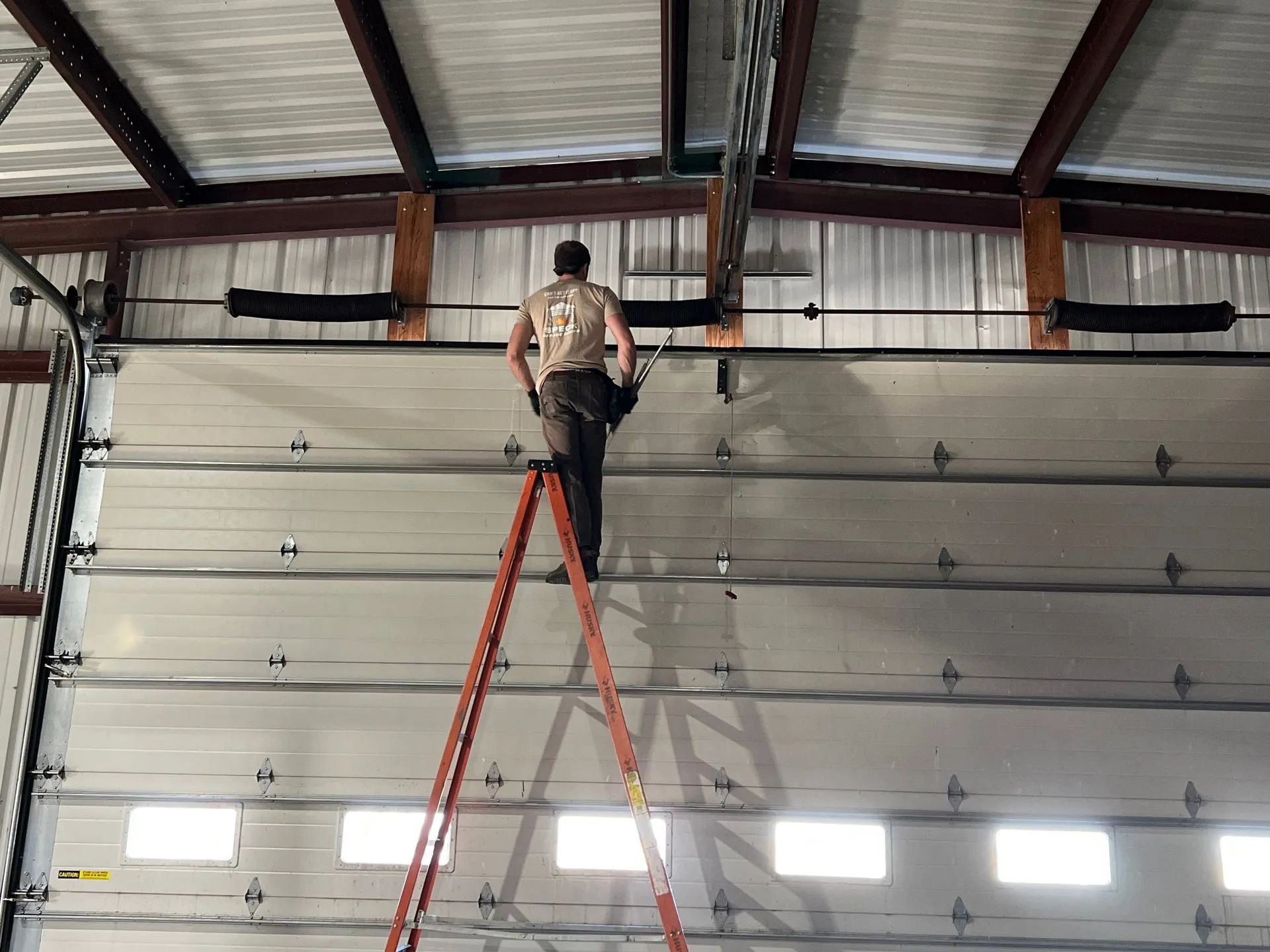
WARNING: Your garage door's torsion and extension springs, along with the lift cables, are under extreme tension at all times. They hold the entire weight of the door, and a spring or cable that lets go can strike with enough force to cause serious injury. Never loosen, adjust, or try to replace a spring or cable yourself, and never remove parts around them. A door that has come off its track is just as dangerous: it can be hanging by a thread and can fall or twist without warning. If you see a snapped spring, a frayed or dangling cable, a gap in the coils, or a door sitting crooked in its opening, stop operating it and call a trained technician.
DIY-Safe Checks vs. When to Call a Professional
What you can safely do yourself
Clearing an obvious obstruction from the beam or track, wiping the sensor lenses, nudging a bumped sensor back into alignment, shielding it from glare, and running the monthly safety-reversal test are all homeowner-friendly. So is a flashlight inspection of the tracks and sensor lights.
What means it's time to call a pro
Bring in a technician if sensor lights stay dark after cleaning, if wiring is frayed, if the track is bent or a roller jumped the channel, or if the door grinds at one spot. Treat springs, cables, or an off-track door as automatic calls.
A quick way to sort it
If the door reverses cleanly all the way back up, think photo-eye first. If it grinds, shudders, or stops at one stubborn spot, think track and hardware. If a five-minute look turns up nothing obvious and safe to fix, hand it off rather than force it.
Frequently Asked Questions
Why does my garage door start to close and then go back up?
That reversal is almost always the photo-eye safety sensors. Something interrupts the infrared beam as the door lowers, so the opener reverses. Check both sensor lights are solid, wipe the lenses, and clear the path.
Where are the garage door sensors located?
They are mounted low on the vertical tracks, one on each side of the door opening, no higher than six inches above the floor. Sitting close to the ground, they easily collect debris and misalign.
Can I force my garage door to close when it won't go down on its own?
On many older openers, holding the wall button until the door closes overrides the sensor. Don't rely on it; it defeats a safety feature and newer openers removed it. Use it only in a pinch.
Why won't my garage door close when it's cold outside?
Cold stiffens grease, contracts steel hardware, and makes springs brittle, so the door drags or stops short. Meltwater refreezes at the bottom seal or ice fills the track. Clear visible ice and have it serviced.
The sensor light is blinking even though nothing is in the way. What now?
A blinking light means the beam isn't connecting. Clean both lenses, then gently realign the sensors until each glows steady. Rule out sunlight washing out the beam. If it stays dark, suspect wiring or failure.
Is a garage door that won't close all the way an emergency?
It depends on the cause. A misaligned or dirty sensor is a minor fix, though don't leave the garage open overnight. A door off track, hanging crooked, or showing a snapped spring needs emergency service.
Getting Ahead of the Next One
A door that won't seal is rarely random. It is usually a sensor that drifted out of line, a lens that needs a wipe, a bit of debris in the track, or the first sign that winter is stiffening up your hardware. Catching those early, and knowing which ones are safe to touch and which ones aren't, is what keeps a small annoyance from turning into a door stuck open on the coldest night of the year. Walk your tracks now and then, keep the sensor lenses clean, run the monthly reversal test, and pay attention when the door starts to sound or move differently.
If your
garage door
still won't close all the way after the safe checks, or you spot anything involving the springs, cables, or an off-track door, that's the moment to bring in a professional rather than push your luck through another Colorado cold snap. With 5
years of hands-on experience, Speck Garage Doors
diagnoses exactly why a door stops or reverses, from realigning photo-eye sensors and correcting down-travel limits to straightening tracks, replacing worn rollers, and safely handling the high-tension springs and cables that should never be a DIY job. With responsive scheduling and full repair, replacement, and maintenance service across the south metro, they can get your door sealing smoothly and safely again before the next storm rolls in. Reach out today to schedule a service visit and get your garage door closing the way it should.