Common Garage Problems Homeowners Overlook Until It’s Too Late
May 28, 2026
Most homeowners think about the garage only when something stops working. The door refuses to open, water starts pooling along the floor, strange grinding noises become impossible to ignore, or the opener suddenly fails during bad weather. What many people do not realize is that garages develop problems gradually over time, often showing subtle warning signs long before major failure occurs. Because the garage is used daily yet rarely inspected closely, small issues are allowed to worsen until they become expensive repairs, safety risks, or structural concerns. In many homes, the garage also protects vehicles, tools, storage items, and direct access into the property, making neglect far more serious than it initially appears.
Modern garages contain multiple moving components, electrical systems, structural elements, and weather barriers that all require attention. Worn springs place strain on openers, damaged seals allow moisture intrusion, and poor ventilation contributes to mold growth and material deterioration. Ignoring these conditions often leads to higher repair costs and unnecessary disruptions. Understanding the most common garage problems helps homeowners recognize early warning signs before damage spreads. With proper maintenance and timely repairs, garages remain safer, more reliable, and better equipped to handle daily use throughout changing seasons and long-term wear.
Garage Door Spring Wear Often Goes Unnoticed
Why Springs Become Dangerous Over Time
Garage door springs carry the majority of the door’s weight every time the system opens or closes. Because the movement appears smooth during normal operation, many homeowners fail to recognize how much stress these components handle daily. Over time, springs weaken due to constant tension cycles, temperature fluctuations, corrosion, and age. Small cracks and loss of tension gradually develop until sudden failure occurs.
When springs begin wearing out, the garage door may feel heavier, move unevenly, or create loud snapping sounds during operation. Some doors start jerking during movement while others close too quickly. These symptoms are often dismissed as minor mechanical issues even though they indicate serious strain within the system.
The Cost of Delaying Spring Repairs
Ignoring worn springs places excessive pressure on the opener motor and surrounding hardware. As the opener compensates for weakening spring support, additional components begin deteriorating faster. In severe situations, broken springs can cause doors to slam shut unexpectedly, creating major safety concerns for vehicles, pets, and family members.
Routine inspections help identify spring fatigue before complete failure occurs. Homeowners who address spring problems early usually avoid more extensive system damage and maintain smoother garage operation for longer periods.
Water Intrusion Creates Hidden Structural Damage
Moisture Problems Around Garage Floors And Walls
Water intrusion is one of the most overlooked garage problems because damage often develops slowly behind visible surfaces. Small gaps around garage doors, cracked concrete floors, damaged seals, and poor exterior drainage allow moisture to enter repeatedly during rain and snow seasons.
Many homeowners focus only on visible puddles while hidden moisture continues affecting insulation, framing materials, drywall, and stored belongings. Over time, damp conditions encourage mold growth, wood rot, and unpleasant odors that spread through adjacent living spaces.
Cold climates create additional concerns when freeze-thaw cycles widen existing concrete cracks. Minor surface damage can eventually compromise the structural integrity of garage floors and foundations if repairs are delayed too long.
Preventing Long-Term Moisture Issues
Regularly inspecting weather stripping, floor cracks, and exterior drainage areas helps prevent serious water-related damage. Proper sealing around the garage door reduces moisture penetration while maintaining indoor temperature control. Gutters and downspouts should direct water away from the garage foundation instead of allowing pooling near entry points.
Homeowners who identify water intrusion early usually avoid costly restoration work and preserve the long-term condition of the garage structure.
Garage Door Track Misalignment Reduces System Performance
Early Signs Of Track Problems
Garage door tracks guide the entire movement of the door system. Even slight misalignment affects balance, movement, and hardware performance. Track issues commonly develop after accidental impacts, loose mounting brackets, vibration, or gradual shifting within the structure.
One of the earliest signs of track misalignment is unusual noise during operation. Grinding sounds, shaking movement, and inconsistent door travel often indicate the rollers are no longer moving smoothly within the tracks. Some homeowners also notice visible gaps, bent sections, or uneven door positioning when closed.
Because garage doors may continue functioning temporarily despite alignment issues, many people postpone repairs until the system becomes difficult or dangerous to operate.
How Misalignment Leads To Bigger Repairs
When tracks remain uneven, rollers and hinges experience increased friction during movement. This additional strain accelerates wear throughout the entire system and increases the likelihood of cable problems or opener failure. In severe cases, garage doors may partially detach from tracks or become stuck during operation.
Professional adjustments restore proper alignment and reduce unnecessary stress on connected components. Preventive maintenance also helps detect loose hardware before major damage develops.
Poor Garage Ventilation Impacts Indoor Conditions
Why Ventilation Problems Matter
Garages are often exposed to fluctuating temperatures, humidity, vehicle exhaust, chemicals, and dust accumulation. Without proper airflow, these conditions create an unhealthy environment that gradually affects both the garage and surrounding areas of the home.
Excess humidity contributes to condensation on metal surfaces, causing rust on tools, tracks, and stored equipment. Poor ventilation also traps heat during summer months, increasing strain on attached living spaces and raising cooling costs. In colder regions, moisture buildup creates additional freezing and mold concerns.
Homeowners frequently overlook ventilation because the garage may not appear visibly damaged at first. However, long-term exposure to trapped moisture and poor air circulation accelerates deterioration across multiple surfaces and systems.
Improving Airflow And Environmental Conditions
Installing ventilation systems, maintaining clear vents, and reducing clutter around airflow pathways significantly improves garage conditions. Insulation upgrades combined with proper sealing also help regulate indoor temperatures and minimize moisture problems.
Routine ventilation assessments become especially important for attached garages where indoor air quality directly impacts nearby rooms inside the home.
Electrical Problems Inside Garages Frequently Escalate
Common Electrical Warning Signs
Garage electrical systems support lighting, outlets, security systems, openers, charging equipment, and power tools. Because garages are exposed to dust, moisture, and fluctuating temperatures, electrical components often experience wear faster than homeowners expect.
Flickering lights, inconsistent opener performance, tripped breakers, or outlets that stop functioning intermittently are common signs of developing electrical problems. Some homeowners ignore these symptoms because the issues appear temporary or unpredictable.
Outdated wiring systems also create additional concerns when modern electrical demands exceed original capacity. Garages now commonly support battery chargers, refrigerators, workshop equipment, and smart technology that older systems were never designed to handle.
Risks Associated With Electrical Neglect
Electrical problems inside garages present serious fire hazards when ignored. Damaged wiring, overloaded circuits, and failing outlets may generate heat buildup behind walls or near combustible materials. Moisture intrusion further increases the risk of shorts and system failure.
Routine electrical inspections help identify overloaded circuits, damaged wiring, and outdated panels before dangerous conditions develop. Timely upgrades improve safety while supporting the growing electrical needs of modern households.
Neglected Garage Door Seals Increase Energy Loss
Small Seal Problems Cause Large Efficiency Issues
Garage door seals play a major role in protecting garages from outdoor temperatures, pests, dirt, and moisture. Bottom seals, perimeter weather stripping, and threshold barriers gradually wear down from daily use and environmental exposure.
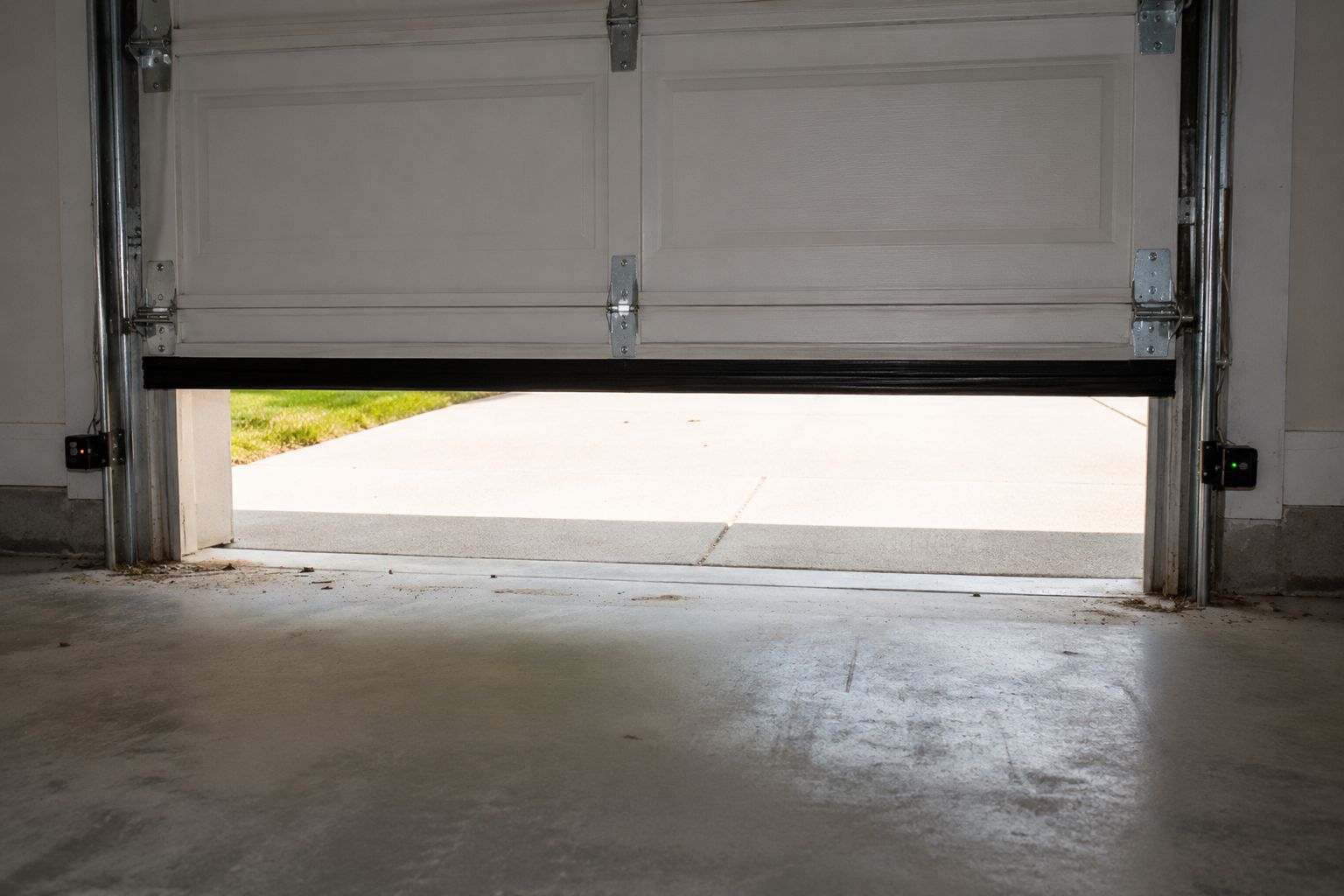
When seals begin failing, homeowners may notice drafts, increased dust accumulation, insects entering the garage, or visible daylight around door edges. These small gaps allow outside air to affect indoor temperatures throughout the year.
Attached garages are particularly vulnerable because temperature fluctuations transfer into adjacent living spaces. Poor insulation and damaged seals often contribute to higher heating and cooling costs without homeowners realizing the garage is part of the problem.
Long-Term Benefits Of Proper Sealing
Replacing worn seals improves energy efficiency while reducing moisture intrusion and pest activity. Proper sealing also protects stored belongings from environmental exposure and helps maintain more stable garage temperatures.
Combined with insulation improvements, updated weather barriers create a more comfortable and durable garage environment that supports long-term system performance.
Dependable Garage Door Support From Experienced Local Specialists
Many garage problems begin as minor inconveniences that homeowners assume can wait another month or another season. Unfortunately, delayed maintenance often transforms manageable repairs into major structural, mechanical, or electrical failures that cost far more to resolve. Springs wear down gradually, water intrusion spreads silently behind walls, ventilation problems damage surrounding materials, and electrical issues create hidden safety hazards long before visible breakdown occurs. Garages experience constant daily use, changing weather exposure, and ongoing mechanical stress, making preventive care an important part of responsible homeownership.
Speck Garage Doors
is a trusted garage door supplier serving homeowners throughout Centennial, Colorado, with dependable service backed by 5
years of industry experience. Our work focuses on helping homeowners identify garage problems early before they turn into expensive repairs or major safety concerns. From damaged springs and misaligned tracks to failing openers and worn weather seals, we understand how quickly overlooked garage issues can disrupt daily life and compromise property protection. Our approach centers on honest recommendations, detailed inspections, and quality workmanship that supports long-term garage performance rather than temporary fixes.